Made Smarter Programme 2026: UK SME Grants Guide
For years, UK SME manufacturers have heard the message: digitalise or get left behind. The challenge was always knowing where to start, finding trusted advice, and justifying the investment. That changed when the Made Smarter programme launched in the North West in 2019. Now, with manufacturing digital transformation support rolling out UK-wide in 2026, every small and medium-sized manufacturer in Britain can access expert support, matched funding, and a proven pathway to success.
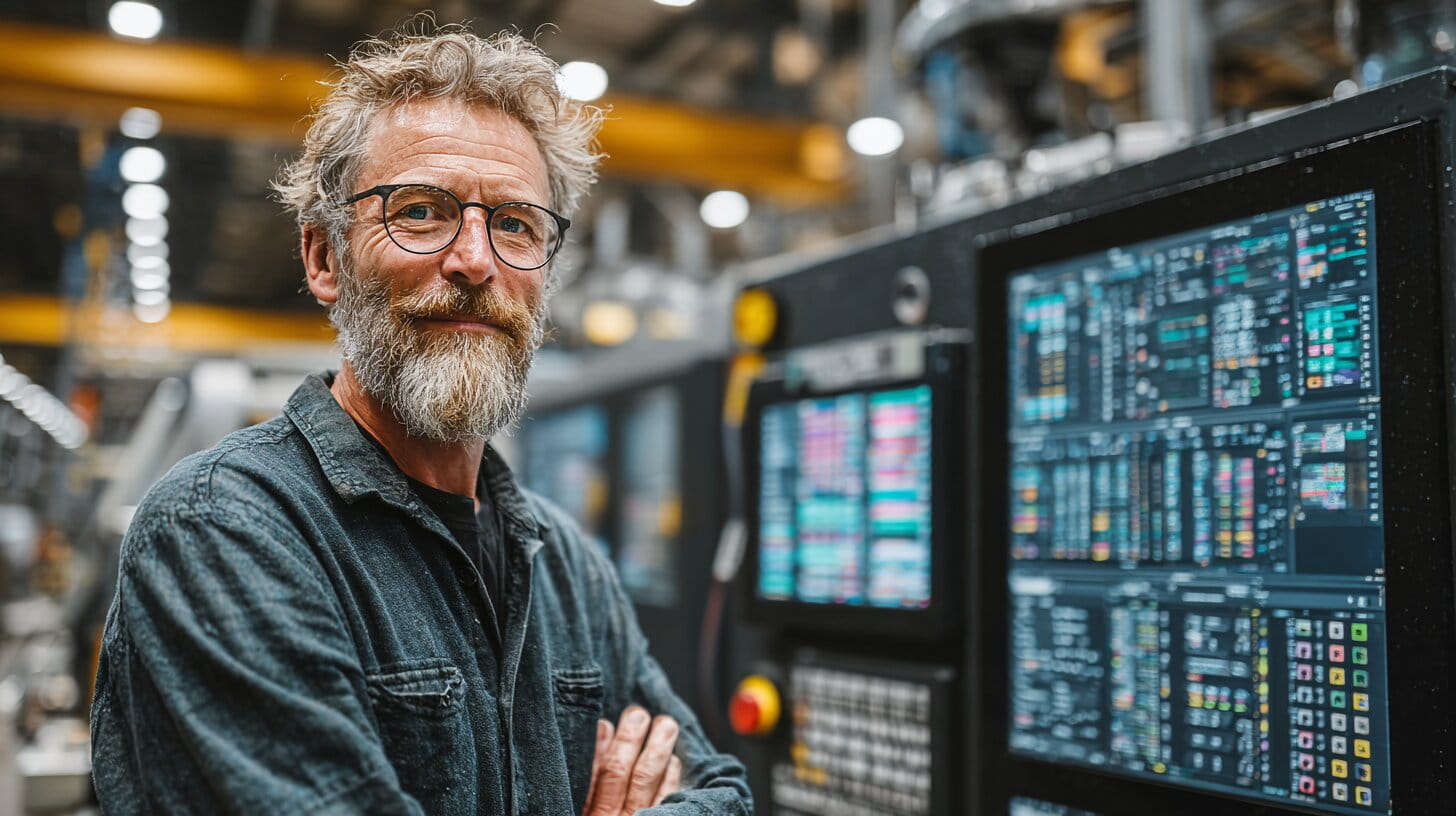
For years, UK SME manufacturers have heard the message: digitalise or get left behind. The challenge was always knowing where to start, finding trusted advice, and justifying the investment. That changed when the Made Smarter programme launched in the North West in 2019. Now, with manufacturing digital transformation support rolling out UK-wide in 2026, every small and medium-sized manufacturer in Britain can access expert support, matched funding, and a proven pathway to success.
This is not a theoretical government initiative gathering dust in a policy document. The Made Smarter programme has already engaged over 2,500 manufacturers, funded 334 technology projects, and is forecast to add £242 million to North West GVA alone. The question is no longer whether this works, but whether your business is ready to take advantage of it.
What the Made Smarter Programme Actually Offers
Let us be specific about what is on the table.
SME Manufacturing Grants UK: Manufacturers can apply for grants of up to £20,000 to purchase hardware, software, or specialist consultancy support. The funding is match-funded at 50%, meaning a £40,000 technology investment costs your business £20,000.
Impartial Expert Advice: The programme provides access to digital technology specialists who have no products to sell. Their role is to understand your operations and recommend the right technologies for your specific challenges.
Digital Transformation Workshops: A structured diagnostic process that examines your people, products, and processes to create a bespoke digital roadmap. This is not a generic template. It is tailored analysis of where technology can have the greatest impact on your business.
Leadership Development: The Leading Digital Transformation programme equips senior managers with the skills to drive change. Manufacturing digital transformation fails when leadership does not understand or champion it.
Digital Internships: Funded placements bringing in fresh talent to support technology strategy or implementation projects.
The Numbers That Matter
The Made Smarter programme is backed by serious funding and has delivered serious results.
The Government committed £99 million from 2026 to expand Made Smarter Adoption across England. Plans target 5,500 additional SME manufacturers adopting new technologies. This sits within the broader Industrial Strategy commitment of £4.5 billion for British manufacturing.
The programme has already delivered:
- 334 technology projects funded in the North West pilot
- 1,550 new jobs forecast to be created
- 2,772 existing roles upskilled with digital capabilities
- £242 million projected increase in regional GVA
The original 2017 Made Smarter Review projected impressive gains. Improved adoption of industrial digital technologies across UK manufacturing could deliver £455 billion in additional GVA. That means a 30% productivity increase and 175,000 new jobs by 2027. The pilot results suggest those projections were not wishful thinking.
Made Smarter Innovation, the research arm of the programme, has invested £112 million in grant funding. It has secured over £200 million in industry co-investment since 2020. The innovation arm has supported 459 new jobs and upskilled over 8,000 people in industrial digital technologies.
Which Technologies Are Covered?
The Made Smarter programme focuses on industrial digital technologies with proven impact:
Robotics and Process Control Automation: From collaborative robots working alongside operators to fully automated production cells. This is not about replacing people. It is about handling repetitive, dangerous, or precision-critical tasks consistently.
Industrial Internet of Things (Sensors): Connecting machines, environments, and products to gather real-time data. This enables condition-based maintenance, process optimisation, and quality control that was previously impossible.
Data and Systems Integration: Breaking down silos between ERP, MES, quality systems, and shopfloor equipment. Integrated data flows eliminate double-handling and enable informed decision-making.
Artificial Intelligence and Machine Learning: From predictive maintenance algorithms to quality inspection using computer vision. AI is moving from buzzword to practical manufacturing tool.
Additive Manufacturing: 3D printing for prototyping, tooling, jigs and fixtures, or direct production of end-use parts. The technology has matured significantly in recent years.
Virtual, Augmented, and Mixed Reality: Training, maintenance support, design visualisation, and remote collaboration. These are particularly valuable for complex assembly or service operations.
Industrial Cybersecurity: As operations become more connected, protecting them becomes essential. Made Smarter includes support for securing your digital infrastructure.
Real Results from Real Manufacturers
Government programmes can sound impressive on paper. What matters is whether they work in practice.
Logs Direct: Doubling Productivity Through Smart Monitoring
Logs Direct, a Lancaster-based manufacturer of kiln-dried firewood, struggled with inefficiency in their drying process. Monitoring kiln conditions required up to three hours of manual measurement daily. Accessing the kiln changed the environment and extended drying times.
With SME manufacturing grants UK funding of £20,000, the company invested £40,000 in a real-time kiln monitoring and heat-recovery system. Sensors now measure critical parameters and report them instantly.
The results:
- Drying times reduced from 14 days to 7 days
- Production capacity doubled
- Turnover grew by 15%
- Five new jobs created
- Energy bills reduced by a third
The success prompted Logs Direct to invest £400,000 in a “super-kiln” using the same technology. It can dry up to 400 cubes per cycle.
Foams 4 Sports: Automation Transforming a Manual Process
Foams 4 Sports, a Greater Manchester manufacturer of sports safety equipment, had a bottleneck in their manual cutting process. The company relied on an experienced cutter whose skills were invaluable but limiting capacity.
Using a £20,000 Made Smarter programme grant, the company invested in a Zund CNC cutter integrated with CAD software. The machine enables digital templating and nesting algorithms that optimise material usage.
The results:
- Same volume of cutting in less than half the time
- Productivity increased by 100%
- Waste reduced by 50%
- Turnover forecast to increase by 10% in the first year
- Veteran cutter upskilled to manage digital operations and contribute to R&D
The human element matters here. Duncan Garlick, the experienced cutter, embraced the new technology. His expertise now supports product development rather than repetitive cutting.
Regional Availability in 2026
Made Smarter Adoption is now available or launching across all English regions:
Fully Operational:
- North West (the original pilot)
- North East
- Yorkshire and the Humber
- West Midlands
- East Midlands
Launched in 2025-26:
- London (delivered by London & Partners)
- South East (delivered by Surrey County Council)
- South West
- East of England
Coming 2026-27:
- Scotland
- Wales
- Northern Ireland
The delivery model varies by region. Local authorities and growth hubs act as lead bodies. The core offer of expert advice, digital roadmapping, matched grants, and leadership development remains consistent.
How to Get Started
The process is straightforward. Made Smarter was designed to remove barriers, not create them.
Step 1: Register Your Interest
Visit madesmarter.uk and complete the registration form. You will be asked basic details about your business and current challenges. This triggers contact from your regional team.
Step 2: Initial Assessment
A digital technology specialist will discuss your business, operations, and growth ambitions. This is a no-obligation conversation to understand whether Made Smarter is the right fit.
Step 3: Digital Transformation Workshop
If you proceed, you will participate in a structured diagnostic. It examines your people, products, and processes. The output is a bespoke digital roadmap identifying priority opportunities and recommended technologies.
Step 4: Support and Funding
With your roadmap in hand, you can access the support elements most relevant to your needs. This might include leadership training, detailed technology advice, or an application for matched grant funding.
Eligibility: You must be a small or medium-sized manufacturing or engineering business with premises in England. The standard SME definition applies: fewer than 250 employees and either turnover under 50 million euros or balance sheet total under 43 million euros.
Common Questions and Concerns
“We are too small for this.”
The Made Smarter programme is specifically designed for SMEs. Many participants employ fewer than 50 people. The grants are sized appropriately. The advice is practical. The technologies recommended are proportionate to business scale.
“We do not have the in-house expertise to implement new technology.”
That is precisely why Made Smarter exists. The programme provides access to specialists who guide you through selection and implementation. The digital internship scheme can also bring in temporary resource with relevant skills.
“The grant is not enough to cover a significant project.”
SME manufacturing grants UK cover 50% of projects up to £40,000. Many transformative projects fall within this range. For larger ambitions, Made Smarter can connect you with other funding sources or help you phase implementation.
“We tried technology before and it did not work.”
Failed technology projects usually fail for predictable reasons. Wrong technology for the problem. Insufficient planning. Inadequate training. Lack of leadership buy-in. Made Smarters diagnostic approach addresses all of these before any money is spent.
“We cannot afford downtime for implementation.”
Implementation approaches vary by technology. Many solutions can be introduced incrementally alongside existing operations. Your Made Smarter advisor will help plan an approach that minimises disruption.
The Bigger Picture: Industrial Strategy
Made Smarter sits within the Governments broader Industrial Strategy. The target is nearly doubling annual business investment in advanced manufacturing from £21 billion to £39 billion by 2035. The strategy recognises that manufacturing digital transformation is not optional for UK competitiveness.
The Advanced Manufacturing Sector Plan commits to making the UK “the best place in the world to start, grow and invest in advanced manufacturing” by 2035. The Made Smarter programme is a key delivery mechanism for the SME segment of that ambition.
According to Make UKs 2026 Executive Survey, manufacturers believe the Industrial Strategy will be the single biggest driver of growth this year. A majority of companies believe the opportunities outweigh the risks.
The S&P Global UK Manufacturing PMI reached 52.0 in February 2026. That is the highest level since August 2024. Output increased at the fastest pace in 17 months. Export orders rose for the first time in four years in January. The sector is growing. Made Smarter helps SMEs participate in that growth.
What Good Looks Like
The manufacturers who get the most from Made Smarter share certain characteristics:
They know their pain points. They can articulate specific operational challenges. Bottlenecks. Quality issues. Data blind spots. Capacity constraints. Generic “we want to be more digital” is not a starting point.
Leadership is committed. The senior team understands that manufacturing digital transformation is a business priority, not an IT project. They are prepared to allocate time and attention.
They are honest about current state. The diagnostic only works if participants are candid about how things actually operate.
They follow through. The roadmap and advice are valuable, but only if acted upon. Made Smarter is support, not magic.
Making the Decision
If you are an SME manufacturer in the UK, the question is simple: why would you not at least explore what the Made Smarter programme offers?
The initial assessment is free. The advice is impartial. The diagnostic process has value even if you never apply for a grant. And if you do proceed to technology investment, the Government covers half the cost.
The programme has moved beyond pilot phase. It has proven results, regional infrastructure, and significant funding. The manufacturers who engaged early have already seen returns. The opportunity now extends to everyone.
Digital transformation can feel overwhelming. Made Smarter exists to make it manageable. The first step is simply to register and start a conversation.
Visit madesmarter.uk or contact your regional business growth hub. The support is there. SME manufacturing grants UK are available. The question is whether your business is ready to take advantage of it.
Continue the conversation in the LeanIQ Hub
A unified intelligence platform for UK manufacturing and industrial professionals. From aerospace to automotive, supply chain to skills: curated news, verified peer discussion, and supplier discovery in one place.
Start Exploring