The UK Advanced Manufacturing Sector Plan: What It Means for Your Business in 2026
The UK government's Advanced Manufacturing Sector Plan is the most ambitious industrial policy in a generation. It targets nearly doubling annual business investment from £21 billion to £39 billion by 2035. This plan is changing how UK manufacturing operates, invests, and competes globally.
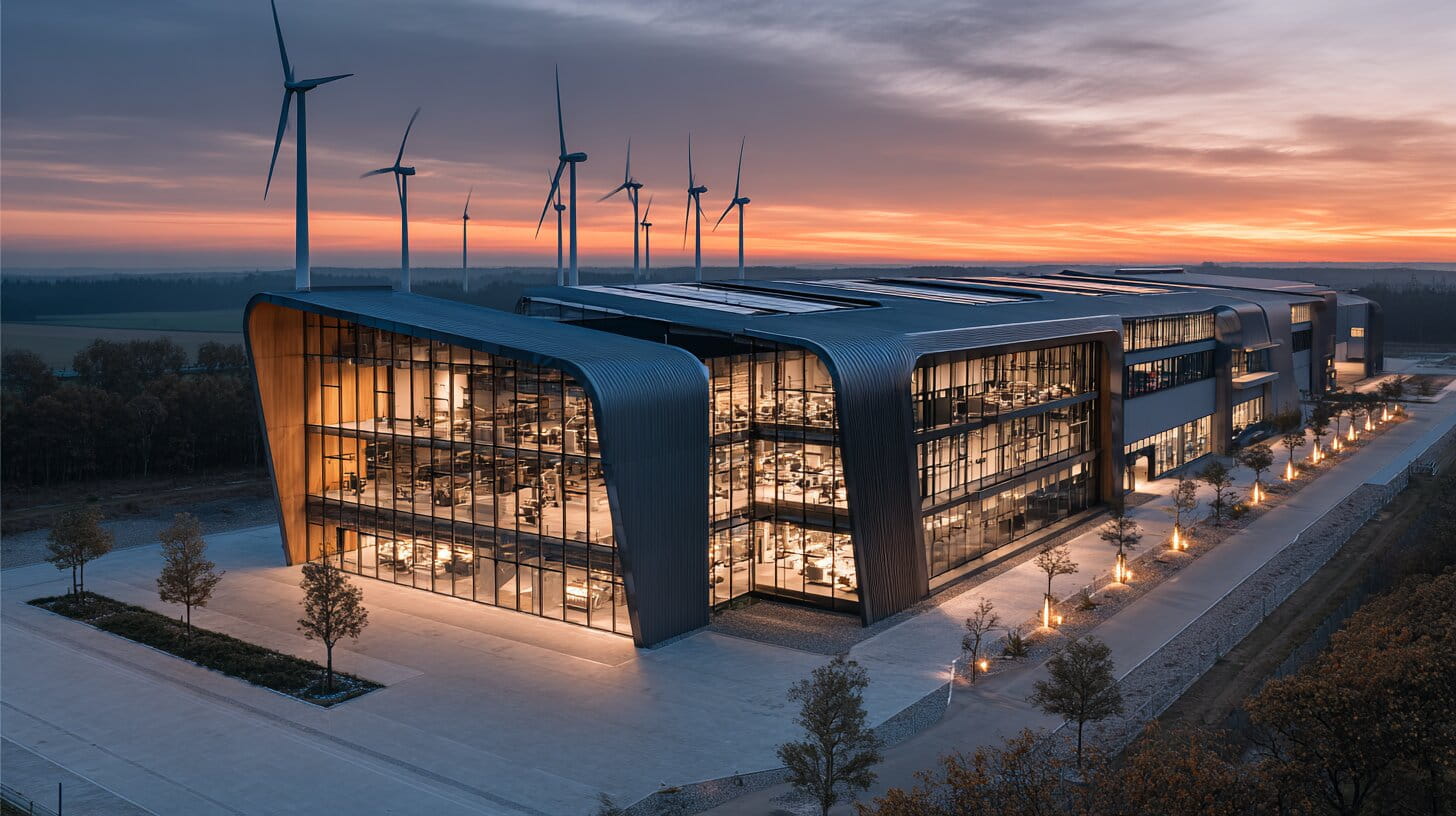
The UK government’s Advanced Manufacturing Sector Plan is the most ambitious industrial policy in a generation. It targets nearly doubling annual business investment from £21 billion to £39 billion by 2035. This plan is changing how UK manufacturing operates, invests, and competes globally.
For operations directors, production managers, and engineering leaders, this UK industrial strategy is essential reading. It directly affects funding, energy costs, workforce development, and your competitive position. Here is what you need to know about this advanced manufacturing UK initiative.
The Scale of the Opportunity
Advanced manufacturing UK already supports around 760,000 jobs. It contributes more than £82 billion annually to the economy. The sector accounts for about 48% of all UK business R&D spending, making it the engine of British innovation.
The government’s ten-year strategy is backed by up to £4.3 billion in public funding. This includes £2.8 billion in R&D support. The goal is to make the UK “the best place in the world to start, grow, and invest” in advanced manufacturing by 2035.
This is more than aspirational language. The Make UK and PwC Executive Survey 2026 found that 63% of manufacturers believe this UK industrial strategy will increase their investment plans. With 65% expecting opportunities to outweigh risks this year, the sector is entering a period of cautious but genuine optimism.
The Six Manufacturing Growth Sectors
The Advanced Manufacturing Sector Plan identifies six frontier industries with the highest growth potential:
Automotive
The UK automotive sector faces pressure from global instability, Chinese competition, high energy costs, and the shift to zero-emission vehicles. The plan commits £2 billion in automotive capital and R&D funding. An additional £500 million extends existing R&D support.
The target is ambitious: grow production to over 1.3 million vehicles by 2035. The UK also wants to create the first European market for automated self-driving vehicles.
Batteries
Battery manufacturing underpins almost every advanced manufacturing sector. This includes automotive, aerospace, and grid storage. The Battery Innovation Programme continues with £452 million through to 2030. It focuses on scaling R&D and increasing recycled content.
The Circular Economy Taskforce is developing a strategy to boost domestic recycling. This addresses a critical gap in the supply chain.
Aerospace
UK aerospace is targeting at least £35 billion in private investment by 2050. The ambition is to increase the UK’s global market share from 10% to 15%. The Aerospace Technology Institute Programme has been extended with up to £2.3 billion to 2035.
Sustainable aviation fuel is a particular growth area. £63 million is available to 2026 for development. The drone industry is receiving £20 million through the Future of Flight programme.
Space
The UK space sector has lacked coordinated support historically. The plan addresses this with targeted investment. The goal is to become one of the few European nations capable of end-to-end satellite manufacture and launch.
Programmes including the National Space Innovation Programme have received £135 million. Priority areas include satellite communications, position navigation, in-orbit servicing, and space domain awareness.
Advanced Materials
From next-generation metallics to biomaterials, advanced materials research has been fragmented. A £50 million National Materials Innovation Programme aims to coordinate efforts.
This sector is critical because it enables innovation across all other industries. Breakthroughs in composites, ceramics, polymers, and smart materials will determine competitiveness in aerospace and automotive.
Agri Tech
Agri tech innovation aims to draw in at least £50 million in private investment by 2029. The target is sector turnover of £20 billion by 2035.
The £200 million Farming Innovation Programme runs to 2030. It supports productivity gains, progress to net zero, and reducing reliance on seasonal migrant labour through automation.
Energy Cost Relief: The BICS Energy Scheme
Energy costs remain the top concern for UK manufacturers. Industrial electricity prices in the UK are about 125% above the EU median. This creates a major competitive disadvantage.
The British Industrial Competitiveness Scheme (BICS), launching in April 2027, addresses this directly. For a deeper dive into qualifying criteria, see our guide on BICS Eligibility Explained. The BICS energy scheme offers discounts of up to £40 per MWh through exemptions from the Renewables Obligation, Feed-in Tariff, and Capacity Market levies.
For qualifying manufacturers, this means electricity bill reductions of up to 25%. The government estimates British businesses will save over £400 million annually from April 2026.
Eligibility focuses on manufacturing growth sectors within the UK industrial strategy. This includes foundational industries such as steel, cement, glass, ceramics, and chemicals. The British Industry Supercharger, launching in 2026, will increase the Network Charging Compensation discount from 60% to 90%.
Manufacturers should review their eligibility now. The consultation process has concluded, and scheme design is being finalised.
Regional Manufacturing Clusters
With 84% of advanced manufacturing jobs outside London and the South East, the plan emphasises regional clusters.
The North West is the UK’s largest manufacturing region. It generates £29.5 billion in output and employs 335,000 people. Wales has the highest manufacturing share at 15.6%, compared with the UK average of 10%.
Key cluster areas receiving support include:
- Edinburgh and Glasgow central belt
- North East (automotive and batteries)
- Belfast city region
- Yorkshire and the Humber
- West Midlands (automotive powerhouse)
- South West (aerospace centre)
- East Midlands
- Oxford to Cambridge growth corridor
Investment Zones are receiving £160 million each over ten years. Freeport benefits are being maximised. A network of robotics adoption hubs is being established.
Current Market Conditions
The UK manufacturing PMI reached 52.0 in February 2026. This is the highest level in 18 months and the fifth consecutive month of expansion. For more on what this means for manufacturing investment 2026, read our analysis of UK Manufacturing PMI trends.
However, the picture is mixed. The CBI Manufacturing Survey February 2026 shows factory output fell over three months to February, though at a slower pace. Order books remain below average, and firms expect to raise prices.
The Make UK Executive Survey 2026 shows that 86% of manufacturers expect employment costs to rise in the next twelve months. Yet 68% are increasing investment in new product development.
This divergence is important to understand. Successful manufacturers are not waiting for perfect conditions. They are investing through uncertainty, positioning for growth while managing costs strategically.
Workforce and Skills Development
The skills shortage remains acute. There are approximately 48,000 manufacturing vacancies as of January 2026. The Make UK and PwC survey found that 60% of manufacturers cite skills as the major barrier to AI and automation adoption.
The government has committed £625 million to construction and manufacturing skills. Apprenticeship reforms have cut approval times from 18 months to 3 months. This is backed by £725 million to create 50,000 additional apprenticeships.
Skills England is assessing requirements at national, regional, and local levels. It works with industry to ensure training is available and good value.
For manufacturers, the message is clear: workforce development cannot be deferred. Successful companies are combining technology transitions with internal training for Industry 4.0.
Technology Investment: The Competitive Imperative
Manufacturers that prioritise technology adoption will boost productivity. The Make UK Executive Survey found that technology costs are rising. This is due to underlying cost increases and deliberate investment in digital, AI, and automation.
Automation is delivering real results. Companies report cutting manual data entry by 75% and reducing lead times by 20%. These gains enable smaller teams to achieve higher output.
Customer focus is rising up the agenda. Over half of manufacturers say expanding products and services for customer needs is their biggest opportunity in 2026. This is a shift from “selling what you make” to “making what you can sell.”
The combination of automation, data analytics, and customer insight is creating a new competitive landscape. Manufacturers that master this will capture market share.
Supply Chain Resilience
The plan acknowledges that advanced manufacturing supply chains are vulnerable to global shocks. Several initiatives address this:
- A new Supply Chain Centre will review critical supply chains
- The Critical Minerals Strategy aims to secure steady supply
- UKEF loan guarantee schemes will unlock £80 billion in finance capacity
- Suspension of UK Global Tariff on 89 products reinforces resilience
The UK-Japan bilateral deal on rare earth minerals shows the government’s approach to securing critical inputs through partnerships.
Manufacturers should map their supply chain dependencies now. The companies that survive the next disruption will be those that diversified their supplier base today.
Practical Steps for Manufacturers
The Advanced Manufacturing Sector Plan creates real opportunities. Here are the priorities:
Review BICS eligibility. If you operate in a frontier or foundational manufacturing sector, check whether you qualify for the BICS energy scheme. The savings could be significant.
Explore R&D funding. The £2.8 billion R&D commitment spans all six priority sectors. Innovate UK programmes offer co-investment opportunities.
Assess cluster benefits. If you operate near a designated Investment Zone, understand the specific support available.
Accelerate technology adoption. The productivity gap between leaders and laggards is widening. AI, automation, and digital transformation are essential for competing.
Invest in workforce development. Use the reformed apprenticeship system and local skills partnerships. Companies that solve the skills challenge will dominate.
Strengthen supply chains. Map dependencies, diversify suppliers, and engage with Supply Chain Centre resources.
Consider new sectors. Over half of manufacturers are exploring adjacent markets. Defence, energy infrastructure, and healthcare supply chains offer opportunities.
The Outlook
The Advanced Manufacturing Sector Plan is not a magic solution. Energy costs remain high, skills shortages persist, and geopolitical uncertainty continues. But it represents the most coherent, well-funded UK industrial strategy in decades.
The plan’s success depends on execution by both government and manufacturers. The consultation processes are closing, funding mechanisms are being established, and early movers are already positioning themselves.
For UK advanced manufacturing, the question is no longer whether transformation is necessary. It is whether your business will lead it or be left behind.
Michael Ashworth is Editorial Director at LeanIQ, covering manufacturing strategy, operational excellence, and industrial policy.
Continue the conversation in the LeanIQ Hub
A unified intelligence platform for UK manufacturing and industrial professionals. From aerospace to automotive, supply chain to skills: curated news, verified peer discussion, and supplier discovery in one place.
Start Exploring