Idle Machine Energy Waste Cost UK Manufacturers £408M
UK manufacturers lost an estimated £408 million in 2025 simply by failing to switch off their machines. This idle machine energy waste, calculated by FourJaw Manufacturing Analytics, represents electricity consumed by production machinery sitting unused when factories were closed. For an industry grappling with the highest energy prices in the developed world, this is a problem hiding in plain sight.
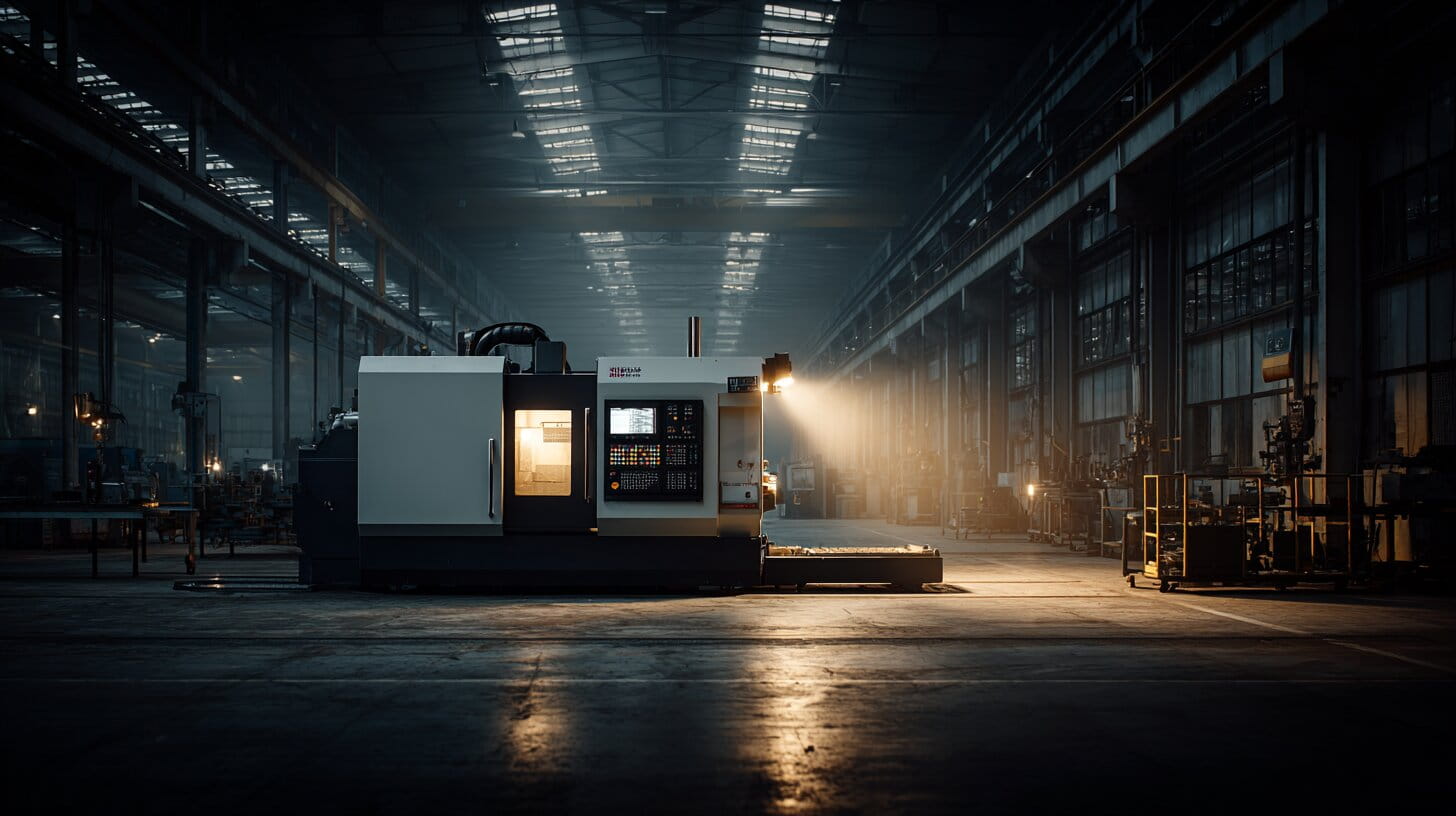
UK manufacturers lost an estimated £408 million in 2025 simply by failing to switch off their machines. This idle machine energy waste, calculated by FourJaw Manufacturing Analytics, represents electricity consumed by production machinery sitting unused when factories were closed. For an industry grappling with the highest energy prices in the developed world, this is a problem hiding in plain sight.
The numbers are sobering. According to FourJaw’s analysis, UK manufacturers wasted roughly 1.8 terawatt-hours of electricity in 2025 through idle machines alone. That’s enough power to supply around 500,000 homes for an entire year.
The Scale of Idle Machine Energy Waste
The issue mainly affects around 180,000 small and medium-sized manufacturers running single-shift production without a formal switch-off policy. These businesses account for the bulk of the waste. Many leave machines on overnight and at weekends because “that’s how we’ve always done it”.
Chris Iveson, CEO of FourJaw, explains the old thinking: “Manufacturers left machines idling off-shift because they thought it was better than powering them off and on again. This approach wastes energy, especially given today’s high UK manufacturing costs.”
The maths is straightforward but painful. FourJaw estimates that a typical machine in a single-shift factory uses around 50 kWh per week while idle. At current electricity rates, that adds up to roughly £450 in wasted spend per machine per year. A factory with 20 machines is burning through £9,000 annually on electricity that produces nothing.
Why UK Manufacturing Costs Are Steeper
The idle machine problem would be troubling anywhere. But for UK manufacturers, it’s compounded by an uncomfortable reality: British businesses pay some of the highest industrial electricity prices in the world.
UK industrial electricity prices for large users stand at roughly 25.33p per kWh. This is 125% above the EU-14 median of 11.25p per kWh. For medium-sized businesses, UK prices are roughly double the European average.
A joint report by the CBI and Energy UK published in February 2026 laid bare the impact. Almost 90% of UK businesses have seen energy bills rise over the past five years. Around 40% have cut back investment as a direct result. The report warned that without action, “the risk of job losses, production cuts, plant closures and offshoring will increase”.
In this climate, every wasted kilowatt-hour represents both an unnecessary cost and a competitive gap. European and American competitors run the same machines at roughly half the energy cost. UK manufacturers cannot afford to compound that gap by paying for electricity they don’t use.
The OEE Manufacturing Blind Spot
Part of the problem lies in how manufacturers measure performance. Overall Equipment Effectiveness (OEE) is the gold standard for OEE manufacturing productivity. It’s typically calculated during scheduled production time. What happens outside those hours rarely gets measured.
Studies suggest the average OEE rate for UK manufacturers is around 60 to 65%. This means machines sit idle or underperform for 35 to 40% of scheduled production time. But this figure doesn’t capture energy use during nights, weekends, and holidays when the factory is closed but machines still draw power.
World-class OEE is 85% or higher. Yet even manufacturers tracking OEE closely can miss the energy waste occurring outside scheduled hours. Their monitoring systems only run during production.
What the Data Shows About Energy Waste
Manufacturers who have added machine-level energy monitoring report eye-opening findings. When productivity data is overlaid with energy meter data, a common pattern emerges. Machines show “down” or “idle” status for hours while energy consumption stays high. This points to a discipline problem. Machines are left running out of habit rather than necessity.
Modern CNC machines typically use between 7.5 kW and 25 kW per hour during operation. But even in standby mode, auxiliary systems draw significant power. Cooling pumps, hydraulic systems, and control electronics all add up. Research suggests that CNC machine tool energy accounts for up to 99% of manufacturing’s environmental impacts. This makes idle consumption a genuine sustainability issue as well as a cost concern.
A study by World Machinery estimated that a staggering 30% of energy in some factories can be wasted without operators even noticing. The culprit is often machines idling for hours while drawing power but doing nothing productive.
Practical Steps for Factory Energy Savings
1. Measure Before You Manage
The first step is understanding exactly where energy goes. Modern machine monitoring solutions provide real-time and historical insights into energy use by machine, cell, or factory. This detail is essential. Aggregate factory data can mask individual problem machines.
FourJaw offers energy monitoring as a standard feature across all plans. Similar solutions from Factory-IQ and Seiki Systems enable standard measurements for benchmarking. The key is moving from estimated data to actual machine-level consumption.
2. Establish a Switch-Off Policy
Once you have visibility, create clear procedures for powering down machinery between shifts. This doesn’t mean switching off every machine automatically. Some equipment may need longer warm-up periods or have specific shutdown needs. Instead, make conscious decisions based on data.
For each machine, compare the cost of a warm-up run with the cost of several hours of idling. In many cases, the economics clearly favour switching off. For machines with longer warm-up needs, schedule start-ups to coincide with shift changes rather than leaving equipment running overnight.
3. Target Quick Wins with Variable Speed Drives
Electric motors account for roughly 65% of UK industrial electricity use. Variable speed drives (VSDs) can deliver energy savings of 35 to 50% on fans, pumps, and compressors. They work by matching motor speed to actual needs.
The principle is simple. Reducing motor speed by just 10 to 20% can deliver double-digit percentage savings. For applications where constant full-speed operation isn’t required, VSDs offer one of the fastest paybacks available. ABB estimates that properly applied VSDs can improve manufacturing energy efficiency by up to 80% in certain uses.
4. Upgrade Legacy Equipment Thoughtfully
Older machines designed before manufacturing energy efficiency was a priority can be significant energy drains. Modern CNC machines often include energy-saving features. These include automatic low-power modes during pauses and variable frequency drives as standard.
However, wholesale equipment replacement is rarely economical. A more practical approach is to prioritise upgrades for the highest-consuming machines. Factor energy efficiency into purchasing decisions when equipment reaches end of life.
5. Consider ISO 50001 Certification
For larger manufacturers, ISO 50001 energy management certification provides a structured framework for continuous improvement. The standard requires organisations to establish energy baselines, set targets, and implement systematic processes for reducing consumption.
Beyond the operational benefits, ISO 50001 certification satisfies requirements for compliance with the Energy Saving Opportunities Scheme (ESOS). This is UK legislation that mandates energy audits for qualifying businesses.
The Role of Behaviour Change
Technology alone won’t solve the idle machine energy waste problem. Achieving company-wide manufacturing energy efficiency requires a change in behaviour. Operators, supervisors, and management all need to understand the cost of energy waste. They need to take ownership of reducing it.
Some manufacturers have found success in making energy data visible on the shop floor. This creates awareness and healthy competition between shifts. Others have incorporated energy efficiency into performance metrics and bonus structures.
The key is treating energy as a managed resource rather than a fixed cost. When operators see the financial impact of leaving machines running, behaviour often changes without enforcement.
New Regulations Are Raising the Stakes
As Chris Iveson from FourJaw notes: “New regulations compelling manufacturers to calculate per-unit carbon emissions have driven the use of machine-level productivity and energy data.”
Manufacturers are increasingly required to report scope 1 and scope 2 emissions. Customers in regulated sectors are passing these requirements down through supply chains. The ability to demonstrate factory energy savings is becoming a commercial necessity, not just an operational preference.
The Bottom Line on Manufacturing Energy Efficiency
The £408 million lost to idle machine energy waste in 2025 is not evenly distributed. Some manufacturers have already implemented machine monitoring systems and switch-off policies. They’ve brought their energy waste close to zero. Others still run machines around the clock on habit and hope.
The opportunity is significant. FourJaw estimates that UK manufacturers will spend £14.7 billion on electricity in 2026. More than half of that powers production machinery. Even modest improvements in idle-time management can deliver substantial factory energy savings.
For an SME manufacturer running a single shift with 20 machines, a basic switch-off policy could save £9,000 per year with minimal investment. Scale that up, add variable speed drives on key motors, implement proper machine monitoring, and the savings multiply.
In a market where UK manufacturing costs include energy prices 125% above European competitors, eliminating waste is not optional. Every pound saved on unnecessary electricity can be invested in equipment, people, or simply in staying competitive.
The £408 million question is not whether UK manufacturers can afford to address this problem. It’s whether they can afford not to.
Continue the conversation in the LeanIQ Hub
A unified intelligence platform for UK manufacturing and industrial professionals. From aerospace to automotive, supply chain to skills: curated news, verified peer discussion, and supplier discovery in one place.
Start Exploring